

Exercise Physiology in Australia
Exercise Physiology Explained: Your Definitive Guide to a Healthier Life
Find your strength in the water. A complete guide to water-based healing for Australian consumers, crafted by Movement Rehabilitation.
Living with a chronic condition, recovering from an injury, or feeling like your body is holding you back can be frustrating and isolating.
You know you need to take action, but the fear of making things worse, confusion about what to do, and a lack of clear guidance can be overwhelming.
This is where Exercise Physiology comes in, offering a scientifically-backed path to regain control of your health.
This guide is designed to cut through the noise and provide a clear, practical, and outcome-driven explanation of what Exercise Physiology is, how it can help you, and what you can realistically expect.
What is an Accredited Exercise Physiologist (AEP)?
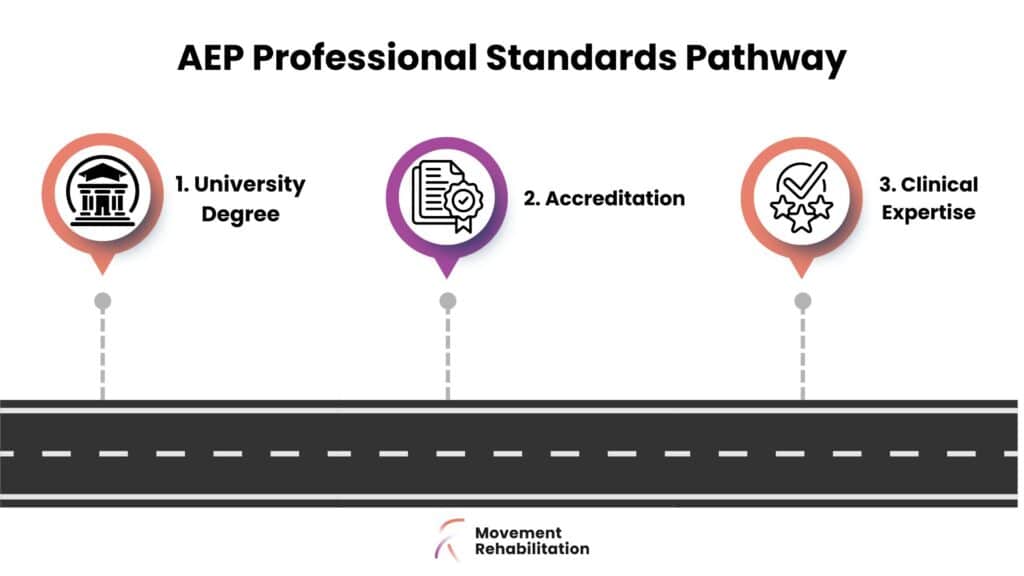
An Accredited Exercise Physiologist (AEP) is a university-qualified allied health professional who specialises in clinical exercise interventions for people with a broad range of health issues.
To become an AEP in Australia, you must complete a four-year university degree recognised by Exercise & Sports Science Australia (ESSA), followed by substantial supervised clinical training.
They are accredited by ESSA, the peak professional body, which ensures they adhere to strict standards of practice and a code of ethics.
Exercise Physiologist vs. Physiotherapist vs. Personal Trainer
One of the most common points of confusion for consumers is understanding the difference between these three professions. While all three improve health and fitness, their qualifications and focus differ.
Here’s a simple breakdown:
| Feature | Accredited Exercise Physiologist (AEP) | Physiotherapist | Personal Trainer |
|---|---|---|---|
| Primary Focus | Long-term management of chronic diseases, injuries, and disabilities through exercise. | Diagnosis, treatment, and management of acute injuries and pain. | General fitness, weight loss, and muscle toning for healthy individuals. |
| Qualifications | Minimum 4-year university degree in Clinical Exercise Physiology. | Minimum 4-year university degree in Physiotherapy. | Certificate III & IV in Fitness. |
| Expertise | Exercise prescription for chronic conditions (e.g., diabetes, heart disease, arthritis), mental health, and complex cases. | Hands-on manual therapy, joint manipulation, and early-stage rehabilitation. | Designing workout plans for general fitness goals. |
| Healthcare System | Allied Health Professional, recognised by Medicare, NDIS, DVA, and private health funds. | Allied Health Professional, recognised by Medicare, NDIS, DVA, and private health funds. | Not a registered health professional. |
Hydrotherapy vs Swimming
What Real Results Can You Expect?
Exercise Physiology is not about generic workout plans; it’s about targeted, evidence-based interventions that deliver measurable improvements in your health and quality of life.
Chronic Disease Management
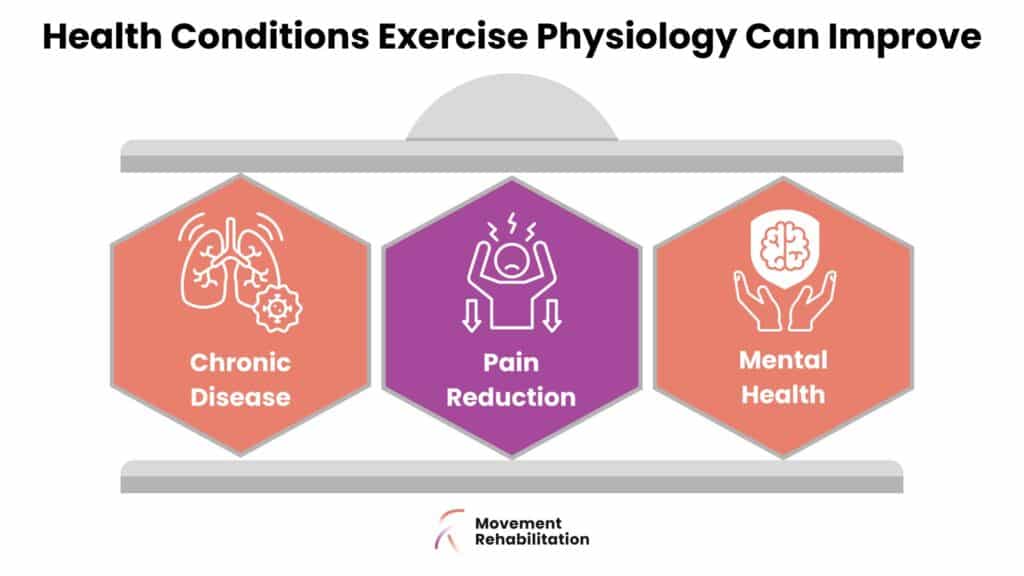
For conditions like heart disease, diabetes, and respiratory issues, exercise is a cornerstone of effective management.
AEPs design programs that can help you:
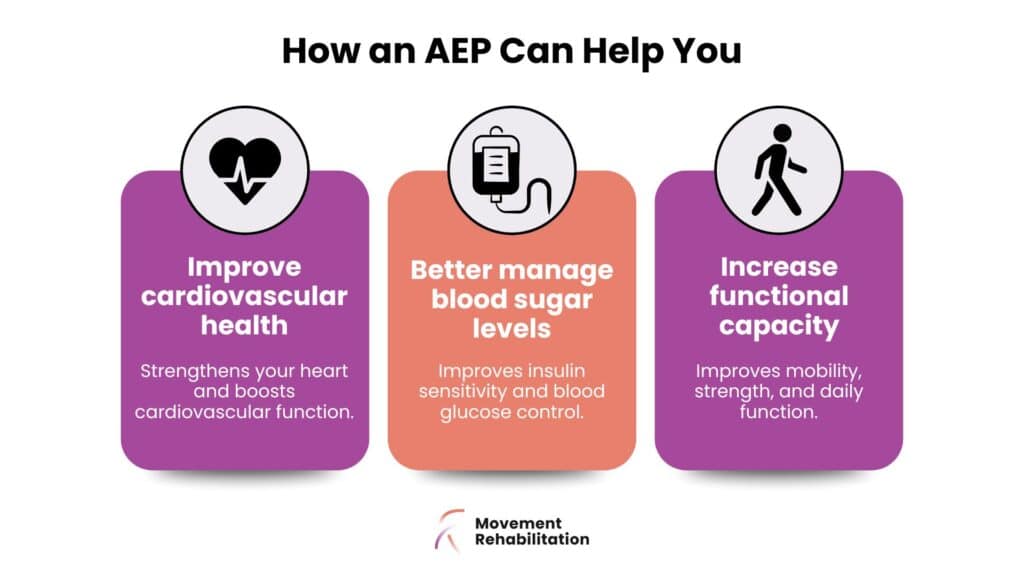
- Improve cardiovascular health: A study on exercise training showed that 56% of patients with heart failure who participated in a one-year program experienced significant improvements in their heart function.
- Better manage blood sugar levels: Regular, structured exercise can improve insulin sensitivity and help control blood glucose levels in individuals with Type 2 Diabetes.
Increase functional capacity: Research has demonstrated that exercise physiology interventions can improve mobility by 14% and the capacity to perform usual activities by 18%.
Pain Reduction and Making it affordable
If you’re living with chronic pain from conditions like arthritis or a persistent injury, the right exercise program can be life-changing. AEPs can help you:
- Reduce pain and stiffness: Targeted exercises can strengthen the muscles around affected joints, improve flexibility, and reduce pain.
- Increase strength and mobility: By gradually increasing the load and complexity of exercises, you can regain strength and improve your ability to move with confidence.
Enhanced Mental Health and Well-being
AEPs are trained to use exercise to help manage mental health conditions, with research showing that physical activity is highly effective at improving symptoms of depression and anxiety.
Who Can Benefit from Exercise Physiology?
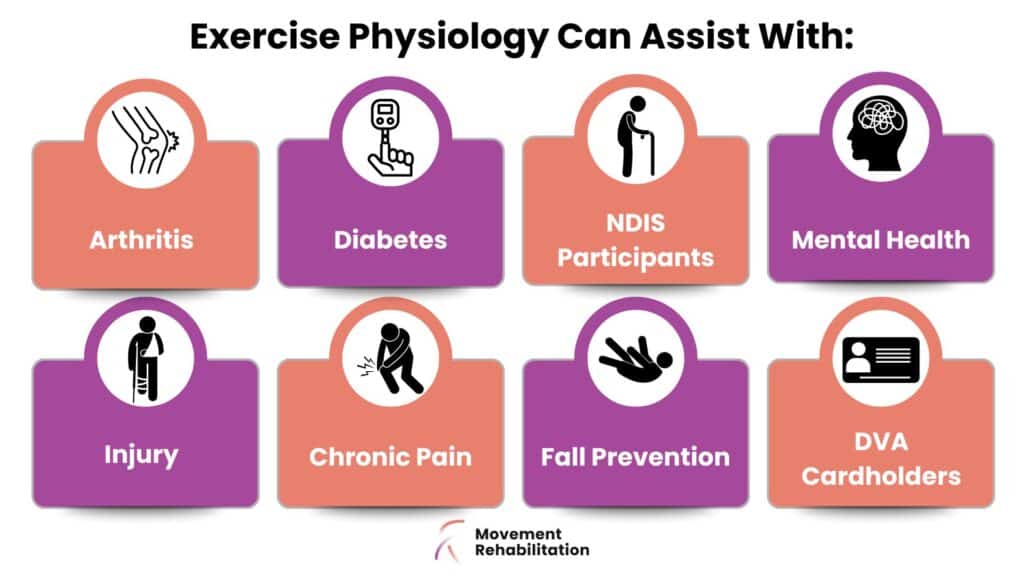
AEPs help people across a wide range of conditions, and a diverse group of people can benefit from their services. You should consider seeing an AEP if you:
- Have a chronic condition such as diabetes, heart disease, arthritis, or osteoporosis.
- Are you recovering from an injury or surgery and need to regain strength and function?
- Suffer from chronic pain.
- Are you dealing with a mental health condition like depression or anxiety?
- Want to improve your balance and reduce your risk of falls.
- Need support to become more active, but are unsure where to start.
- Are you an NDIS participant with goals related to improved physical function and community participation?
- Are you a DVA cardholder or have a WorkCover claim?
What to Expect
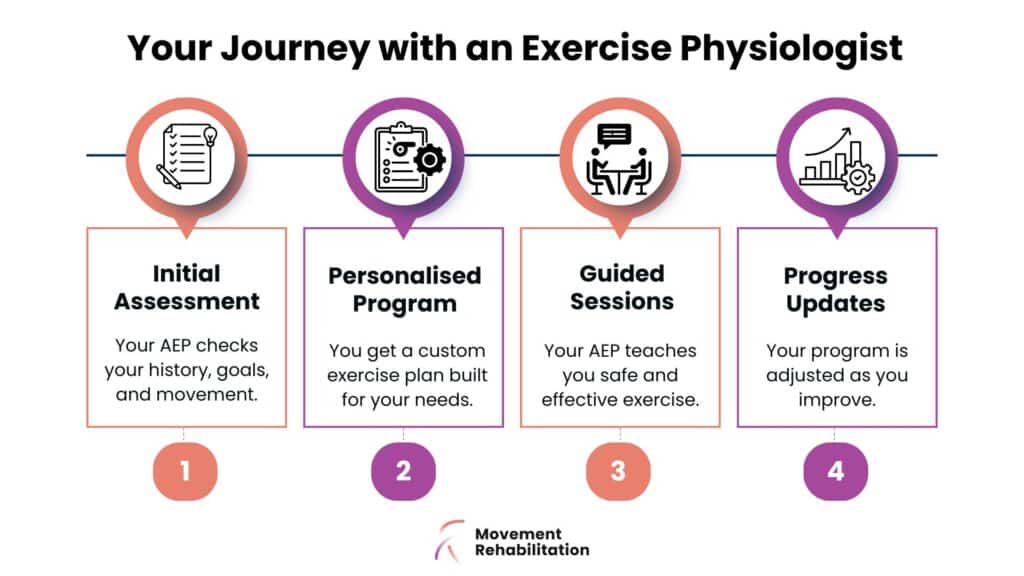
Starting with an AEP is a straightforward and supportive process. Here’s what you can typically expect:
- Initial Assessment: Your first session will involve a comprehensive discussion about your medical history, goals, and any challenges you face. Your AEP will also conduct a physical assessment to understand your current fitness level, movement patterns, and any limitations.
- Personalised Program Design: Based on your assessment, your AEP will create a tailored exercise program that is safe, effective, and aligned with your goals.
- Guided Sessions and Education: You will be guided through your exercises to ensure you are performing them correctly and safely. A key part of the process is education – your AEP will help you understand your condition and how exercise can help, empowering you to take control of your health.
- Progress Monitoring and Adjustments: Your AEP will regularly monitor your progress and adjust your program as your strength, fitness, and confidence grow.
Making It Affordable
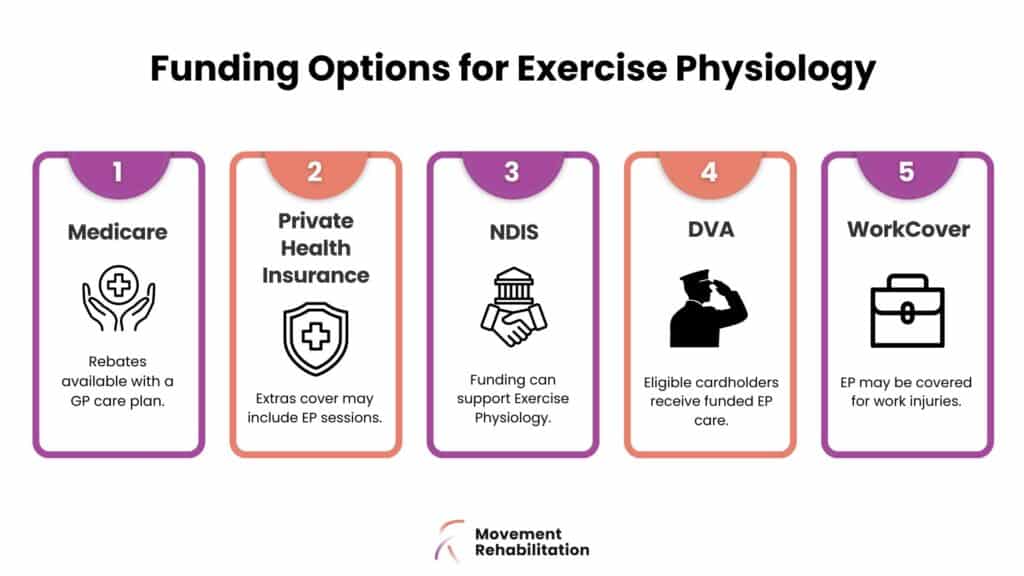
We understand that cost is a significant consideration for many people. The good news is that there are several ways to make Exercise Physiology services more affordable in Australia:
- Medicare: If you have a chronic medical condition, your GP can create a Chronic Disease Management (CDM) plan (formerly known as an Enhanced Primary Care or EPC plan). This plan may entitle you to a Medicare rebate for up to five allied health services, including Exercise Physiology, per calendar year.
- Private Health Insurance: Many private health funds offer rebates for Exercise Physiology services under their extras cover. It’s best to check with your provider to see what you are covered for.
- National Disability Insurance Scheme (NDIS): As registered NDIS providers, AEPs can help participants use their funding to access services to help them achieve their goals.
- Department of Veterans’ Affairs (DVA): DVA cardholders may be eligible for funded Exercise Physiology services with a referral from their GP.
- WorkCover: If you have been injured at work, you may be able to access Exercise Physiology services as part of your return-to-work plan.
Your Next Steps
Taking the first step towards better health can be the most challenging, but it’s also the most rewarding.
Partnering with an AEP gives you a personalised, science-based path to better health.
Don’t let pain, uncertainty, or a chronic condition dictate your life any longer – book your first session today and take the first step towards a stronger, healthier you.